
Optimize your operations with a loading dock management plan service
Reach out to us for effective solutions Contact UsLoading Dock Management Plan
A loading Dock Management Plan (LDMP)
Managing loading docks is a significant challenge for owners/managers of large buildings in major metropolitan areas. Moving trucks in and out safely and efficiently, managing access for third-party vendors and contractors, and tracking dock availability and usage to the right tenant in a multi-tenant commercial building have never been more complex.
On the other hand, the commercial vehicle access management aspect deals with regulating the entry and exit of commercial vehicles into the facility or site. This involves implementing measures to control traffic flow, ensure vehicle safety, and comply with relevant regulations and standards. It may include elements such as access control systems, vehicle inspection procedures, designated routes, and parking arrangements.
Overall, a Loading Dock Management Plan aims to enhance operational efficiency, safety, and compliance within a transportation operation. It is tailored to the specific needs and requirements of each development to optimize resource utilization and mitigate potential risks and disruptions.
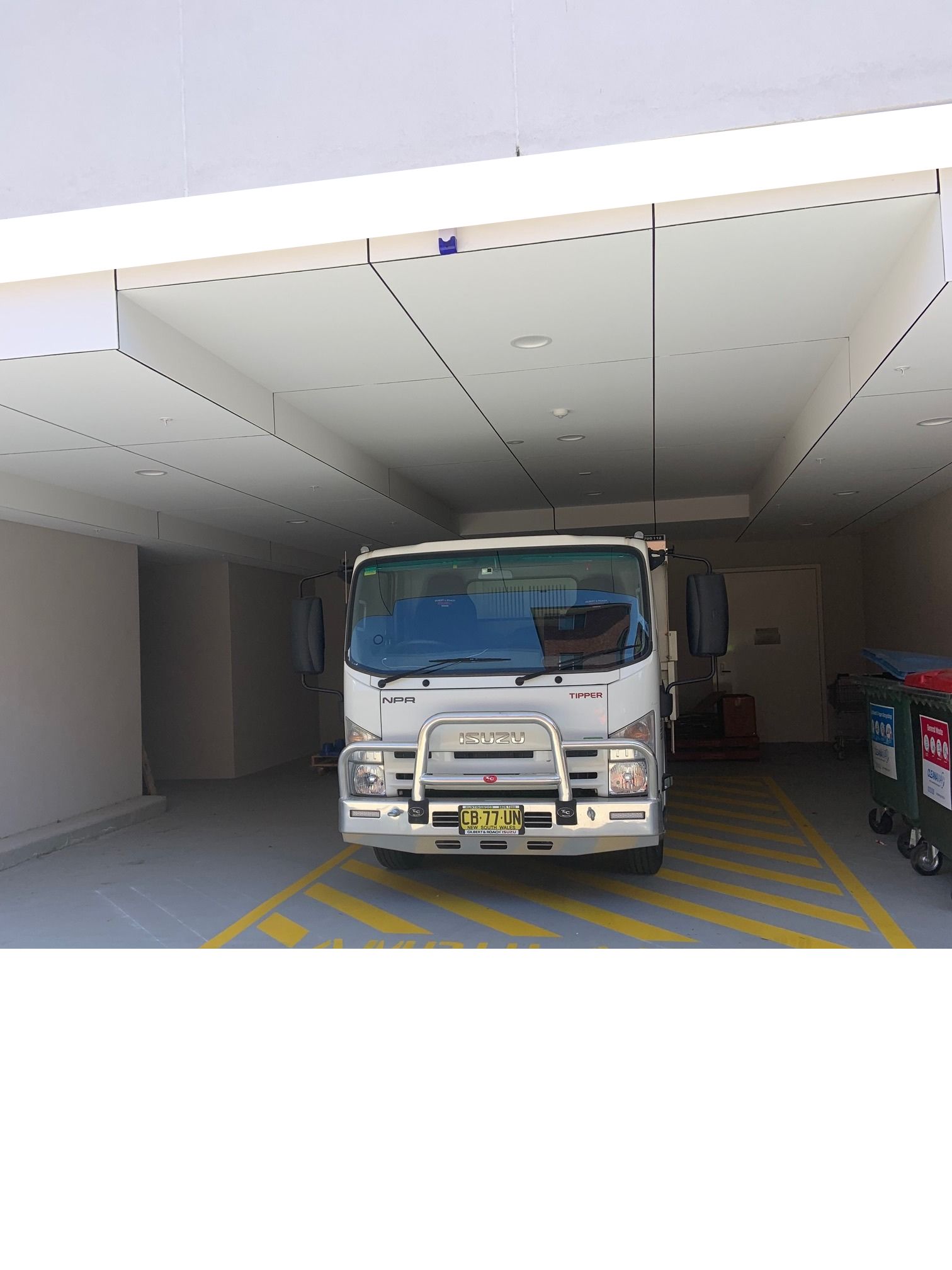
What Is the Purpose of Loading Dock Management Plan?
The purpose of LDMP is to provide guidance on the daily operations of the loading dock and to ensure the control of delivery vehicles and personnel.
The effective use of LDMP would contribute to the minimization of delays and accidents as well as to limit any disruptions to the surrounding neighbors.
LDMP plan shall be subjected to ongoing reviews and updated as necessary in response to changing requirements and response to any issues.
This plan details the following:
- To ensure that adequate facilities for the loading/unloading of goods and commodities to and from vehicles are provided.
- To ensure that loading/unloading facilities do not adversely affect the amenity of adjacent
- The operational and safety measures that should be undertaken within the loading areas,
- Appropriate internal traffic controls, signage and line marking to ensure light and heavy vehicles can operate together, and
The effective use of a LDMP would contribute to the minimization of delays, accidents, prevention of accidents and meet customer expectations.
Our Loka’s company in Australia specializing in Loading Dock Management Plan can offer a range of services tailored to the unique needs of clients.
Our service includes:
- Loading Dock Traffic Management Plan: A comprehensive traffic management plan is prepared specifically to the compliance and safety needs of your loading dock with detailed diagrams, itemised traffic management recommendations and controls to help maximise safety outcomes complying with standards such as AS2890.2.
- Regulatory Compliance: Our Consulting engineers stay abreast of relevant regulations and Australian standards. They can ensure that management plans align with these requirements.
- Risk Assessment: Our loading dock risk assessment is to identify hazards, issues, and safety requirements that must be adhered to by all staff while working within the loading dock to develop a clear and concise action plan for your organisation.
- Site assessment: Our engineers are equipped to conduct comprehensive processes to record the condition of the existing site.
- Traffic Flow Analysis: Consulting engineers can analyze traffic patterns within the facility to optimize the layout of loading docks, designate appropriate access routes, and minimize congestion during loading and unloading activities.
By offering these services, our consulting engineering company in Australia play a crucial role in helping businesses and facilities optimize their loading and unloading processes, improve safety, and enhance overall operational efficiency. Learn more about how our Loading Management Plan service can benefit you, by contacting us
FAQ Section
When is a Loading Dock Management Plan required?
A Loading Dock Management Plan may be required where a development includes loading facilities that need to accommodate regular commercial vehicle movements or where specific operational, traffic or safety requirements apply. The need for a plan depends on the development, site conditions and applicable approval or operational requirements.
What vehicles can be considered in a Loading Dock Management Plan?
The plan can consider the commercial vehicles expected to use the facility, such as delivery vans, rigid trucks and other nominated service vehicles. Vehicle dimensions, access arrangements, manoeuvring requirements and loading activities can be assessed to ensure the facility operates safely and efficiently.
How does a Loading Dock Management Plan manage delivery vehicle movements?
An LDMP can establish procedures for vehicle access, arrival and departure, loading and unloading areas, delivery scheduling, internal circulation and interaction between commercial vehicles and other site users. These measures help reduce conflicts, delays and congestion within the loading area.
Can a Loading Dock Management Plan address loading dock safety risks?
Yes. The assessment can identify potential hazards associated with vehicle manoeuvring, pedestrian movements, reversing, loading and unloading activities, restricted visibility and interactions between different vehicle types. Appropriate operational controls can then be recommended to reduce identified risks.
Can an LDMP be updated after the loading dock becomes operational?
Yes. An LDMP can be reviewed and updated when site operations, tenant requirements, delivery patterns, vehicle types or access arrangements change. Ongoing review can help ensure that the loading dock continues to operate safely and efficiently.
How we help our clients:
At Loka Consulting Engineers, we’ve had the privilege of collaborating with a diverse range of multi-national businesses, from builders to international aid agencies, including:
Contractors | Architects | Developers | Government
Our commitment remains unwavering, we craft solutions that transcend mere functionality across Australia, ensuring sustainable infrastructure and pioneering environmental innovations.
Capabilities Statement
Download a copy of our Capabilities Statement